Introduction: The Curious Case of Nintendo’s Exclusivity
In an era where cross-platform releases dominate the gaming industry, Nintendo remains a striking outlier. While Sony and Microsoft aggressively port their flagship titles, such as God of War and Halo, to PC, Nintendo’s iconic franchises — The Legend of Zelda, Super Mario, and Animal Crossing — continue to thrive exclusively on its own hardware. This divergence raises a critical question: Why does Nintendo resist the lucrative PC market when its competitors embrace it?
The answer lies in Nintendo’s unique business philosophy, hardware-software synergy, and a decades-old strategy prioritizing creativity over convention. Let’s look at why Nintendo has taken this bold stance. We will also see how it affects the future, including the new Nintendo Switch 2.
Nintendo’s Business Philosophy: Quality Over Quantity
1. Exclusivity as a Core Strategy
Nintendo’s refusal to port games to PC is rooted in its belief that exclusivity drives hardware sales. Unlike Sony and Microsoft, Nintendo focuses mainly on gaming. Sony and Microsoft also work in other areas, like film and software. In fact, over 90% of Nintendo's revenue comes from gaming hardware and software.
By keeping Mario and Zelda exclusive to the Switch, Nintendo makes sure players need to buy its consoles. This creates a self-sustaining system.
This strategy has proven wildly successful. The Switch has sold over 155 million units globally, dwarfing the PlayStation 5 and Xbox Series X/S combined. Games like The Legend of Zelda: Breath of the Wild and Animal Crossing: New Horizons sold many consoles. This shows that exclusive games can help keep both hardware and software popular.
2. Mobile Games as a Gateway, Not a Destination
While Nintendo has dabbled in mobile games (Fire Emblem Heroes, Super Mario Run), its goal isn’t to dominate smartphones but to lure casual players toward its consoles.
Former CEO Satoru Iwata famously stated that mobile games should “expand the gaming population,” acting as a bridge to Nintendo’s dedicated hardware.
This approach contrasts sharply with Sony and Microsoft, whose PC ports aim to maximize short-term profits. For Nintendo, preserving the Switch’s value as a unique platform takes precedence over immediate revenue gains.
Nintendo’s Game Development Strategy: Innovation Through Integration
1. Hardware-Software Synergy
Nintendo’s games are inseparable from its hardware. Titles like ARMS (motion-controlled combat) and Nintendo Labo (cardboard DIY kits) leverage the Switch’s hybrid design, Joy-Con controllers, and touchscreen in ways that PC ports could never replicate. Even long-running series like Super Mario and Splatoon incorporate unique mechanics — gyro aiming, HD Rumble — that depend on Nintendo’s hardware innovations.
This synergy is intentional. As Shigeru Miyamoto, creator of Mario and Zelda, explains, Nintendo prioritizes “playability” over graphical fidelity. Games are designed to showcase the hardware’s capabilities, creating experiences that feel “native” to the platform.
2. Cost-Effective Creativity
Nintendo’s development philosophy emphasizes low-cost, high-creativity projects. By avoiding third-party platforms like Steam, which takes a 30% revenue cut, Nintendo maintains full control over pricing and royalties.
By avoiding the “graphics arms race”, Nintendo keeps development costs manageable.
This allows the company to reinvest profits into new IPs (Splatoon, Xenoblade Chronicles) rather than allocating resources to porting existing titles.
3. A Self-Sustaining Ecosystem
Nintendo’s closed ecosystem — where it controls hardware, software, and distribution — ensures maximum profitability. By avoiding third-party platforms like Steam (which takes a 30% revenue cut), Nintendo retains full control over pricing and royalties.
Additionally, its platform fees from third-party developers (e.g., Hollow Knight, Stardew Valley) further bolster revenue without compromising exclusivity.
Nintendo Switch 2: Doubling Down on Exclusivity
The upcoming Nintendo Switch 2, set for release in June 2025, reaffirms the company’s commitment to its strategy. Key insights include:
1. Backward Compatibility and Cross-Generational Support
The Switch 2 will reportedly support nearly all existing Switch games, ensuring a smooth transition for current users. This backward compatibility minimizes fragmentation, allowing Nintendo to maintain its vast library of exclusives while incentivizing upgrades.
2. Third-party partnerships and Expanded IP Utilization
The first Nintendo Switch 2 Direct events highlight efforts to attract third-party developers. Games like Mario Cart World and Donkey Kong Bananza will be exclusive to Switch 2. Additionally, indie games, such as Hollow Knight: Silksong, will be available on multiple platforms. By broadening its ecosystem, Nintendo aims to counter competition from Steam Deck and potential Xbox handhelds.
3. Challenges Ahead
Despite optimism, analysts caution that the Switch 2 faces hurdles. Its hardware will match the PS4’s performance but lags behind modern consoles, potentially alienating core gamers. Additionally, a projected $449 price tag — much higher than the original Switch — could deter casual buyers amid economic uncertainty.
Conclusion: The Unwavering “Nintendo Difference”
Nintendo’s refusal to port games to PC isn’t stubbornness — it’s a calculated strategy honed over decades. By combining hardware and software, encouraging creativity, and focusing on long-term ecosystem health, Nintendo has created a unique space that competitors cannot match.
As the Switch 2 era dawns, the company’s challenge lies in balancing innovation with accessibility. Nintendo's focus on fun and play is likely to change gaming for the better. History shows that taking a different approach can lead to success.
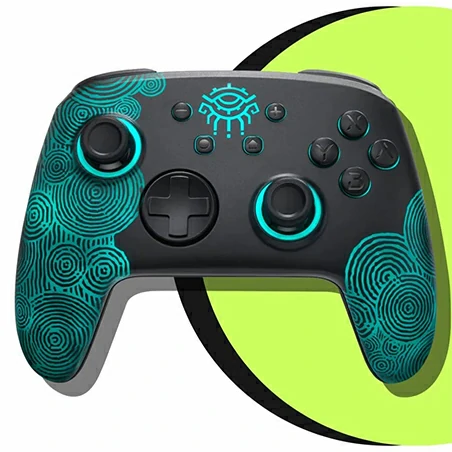
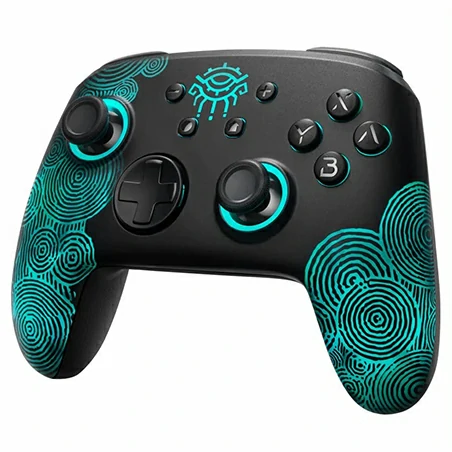
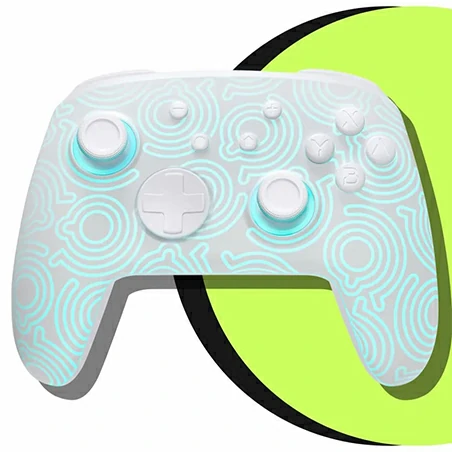
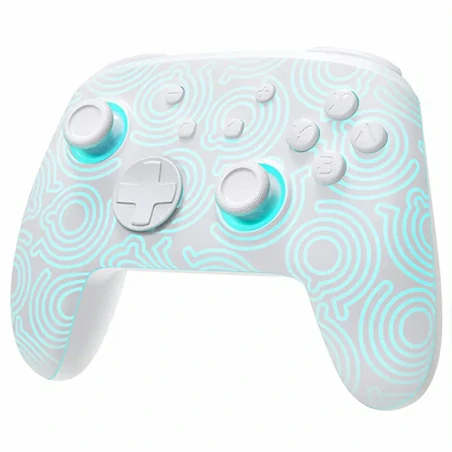
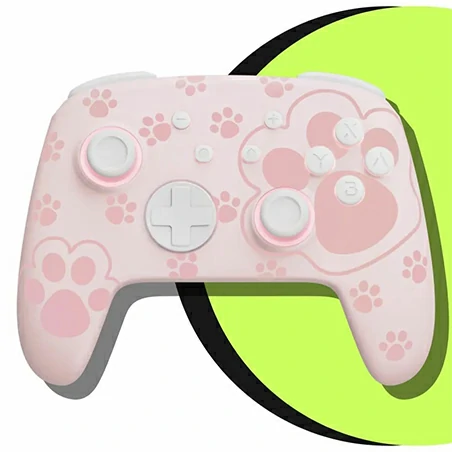
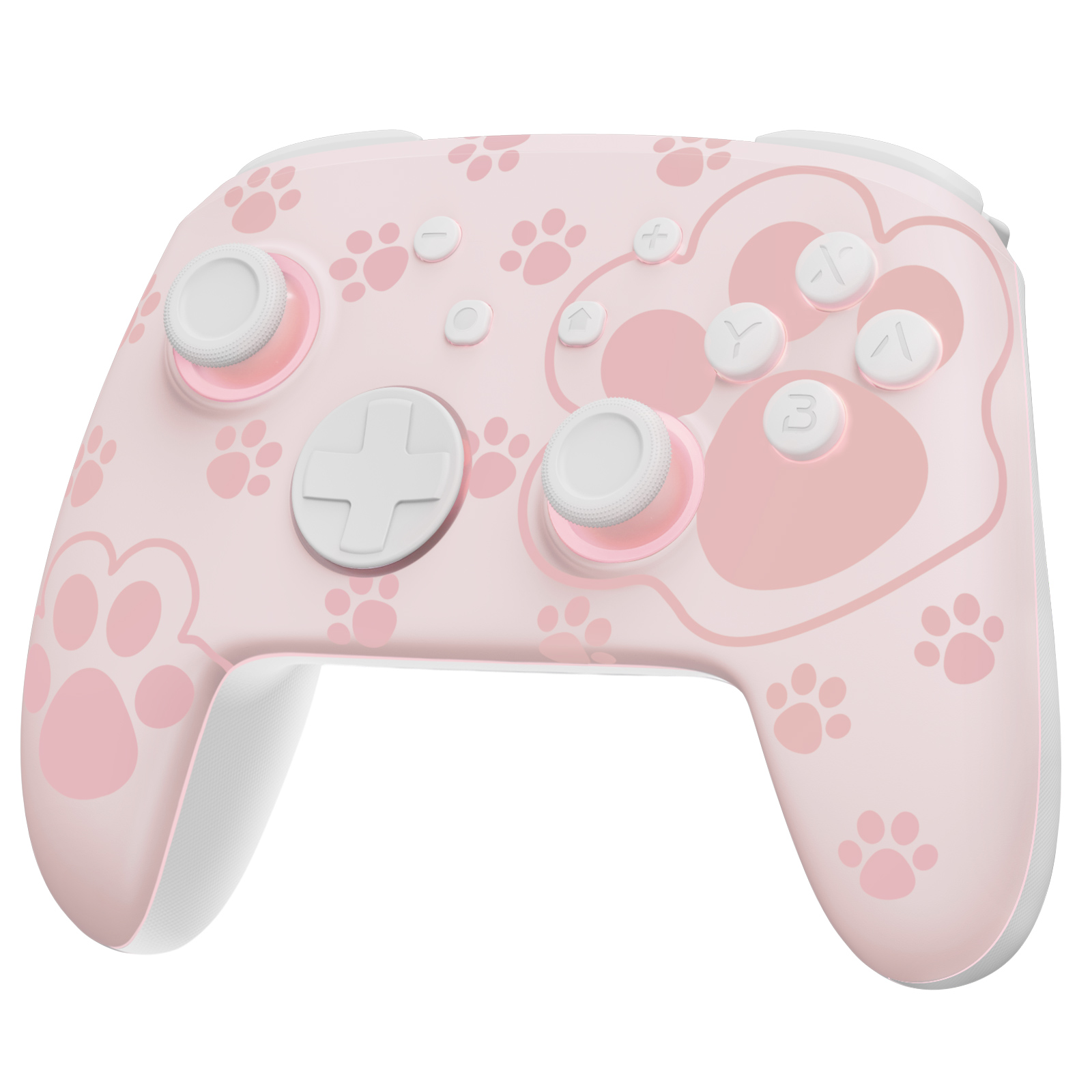
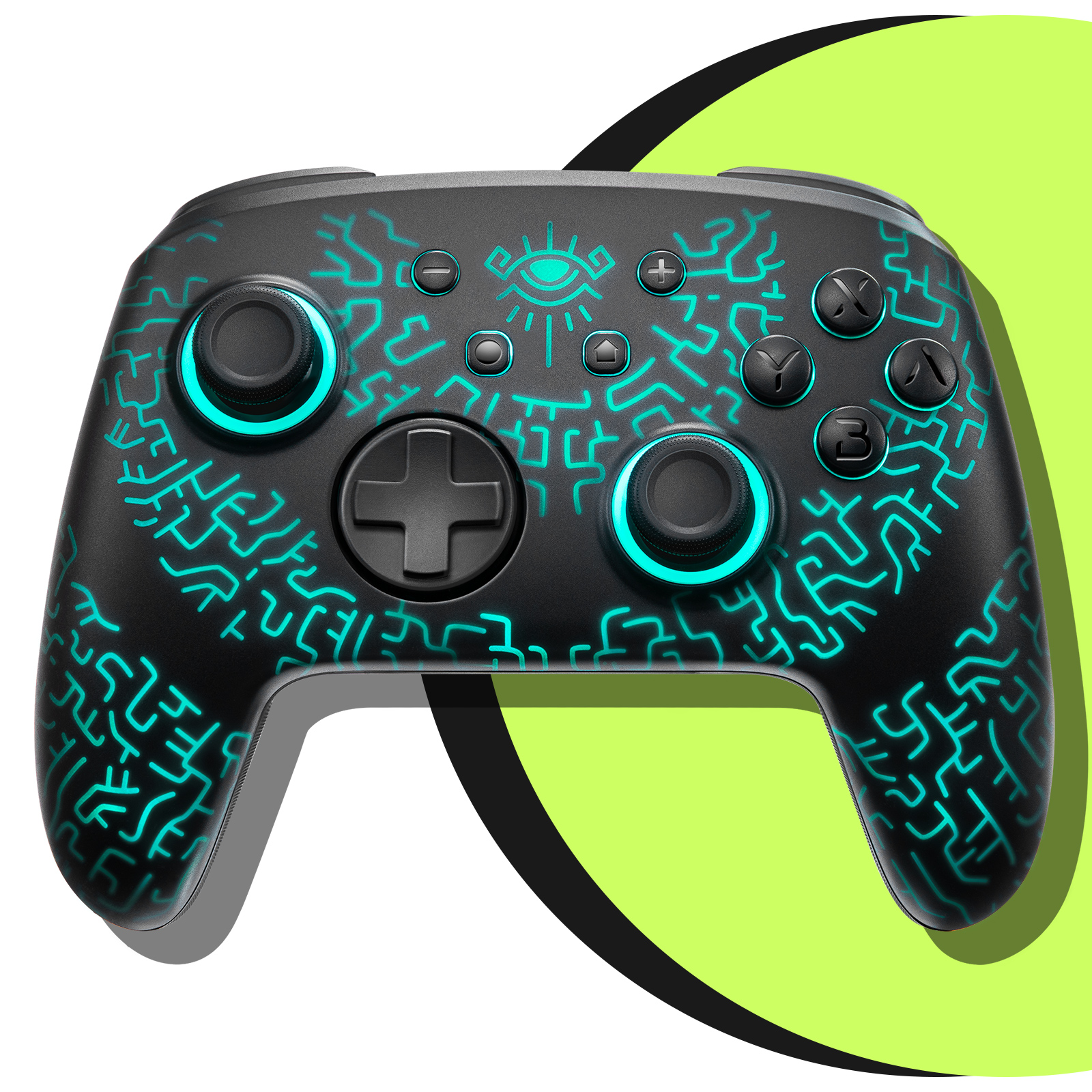
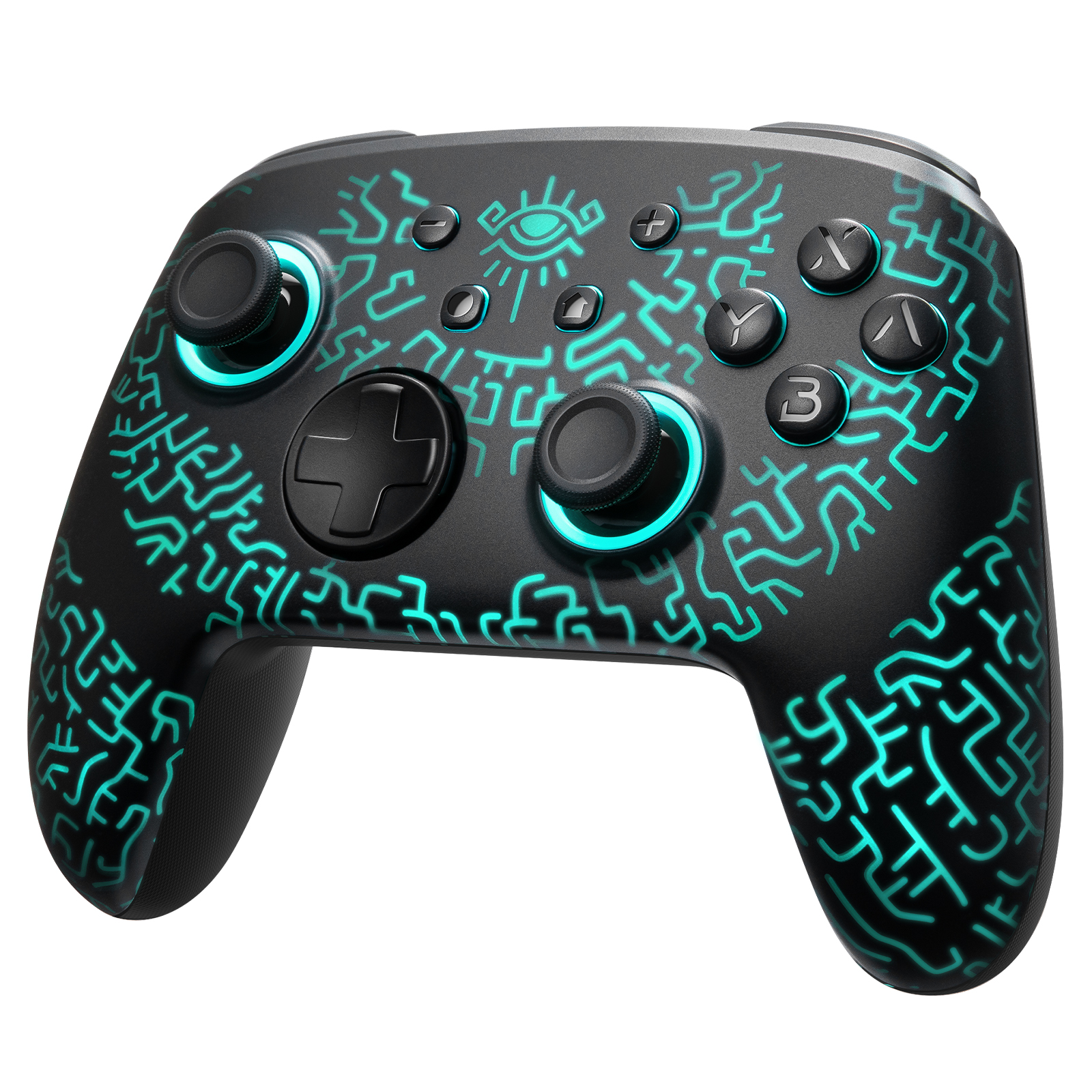
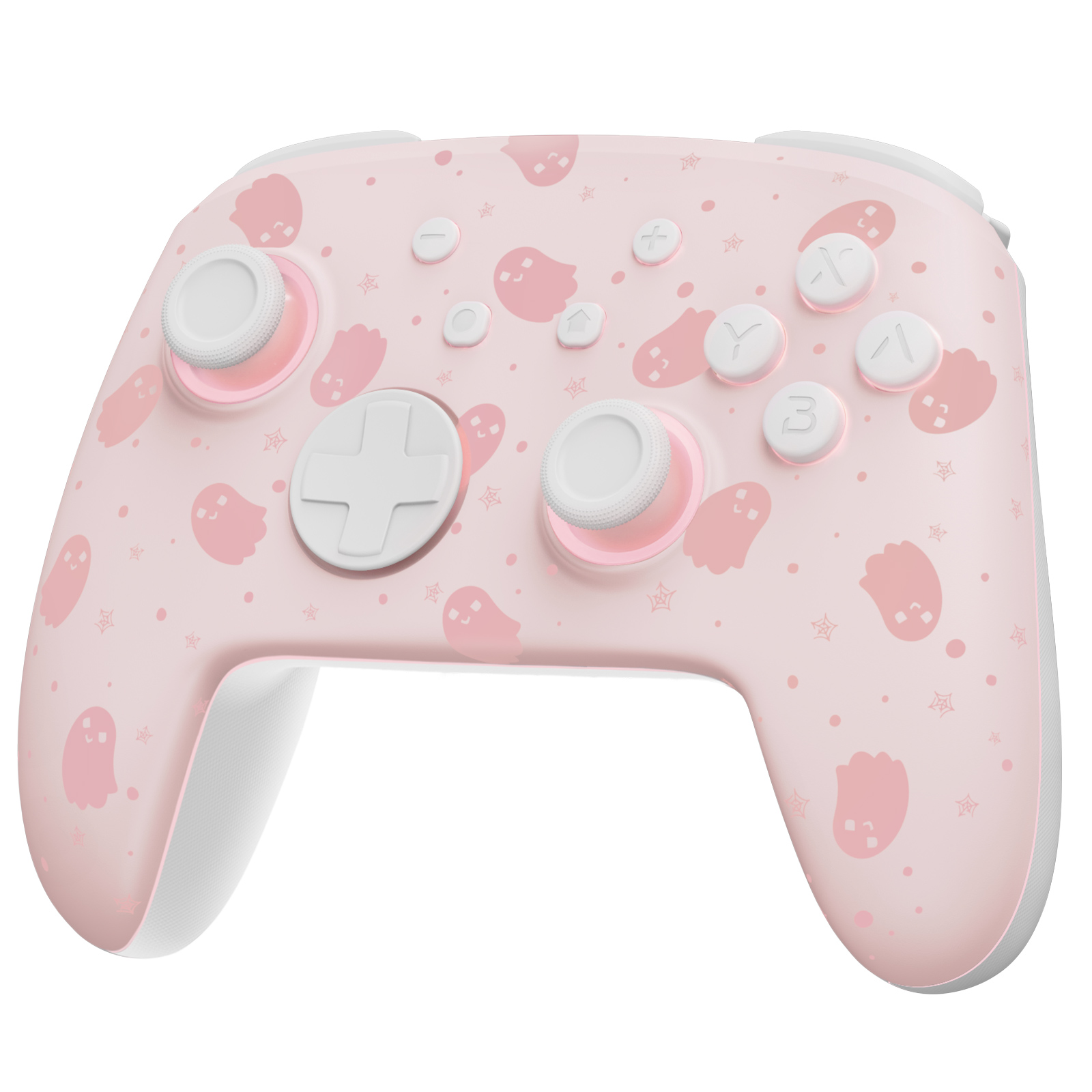
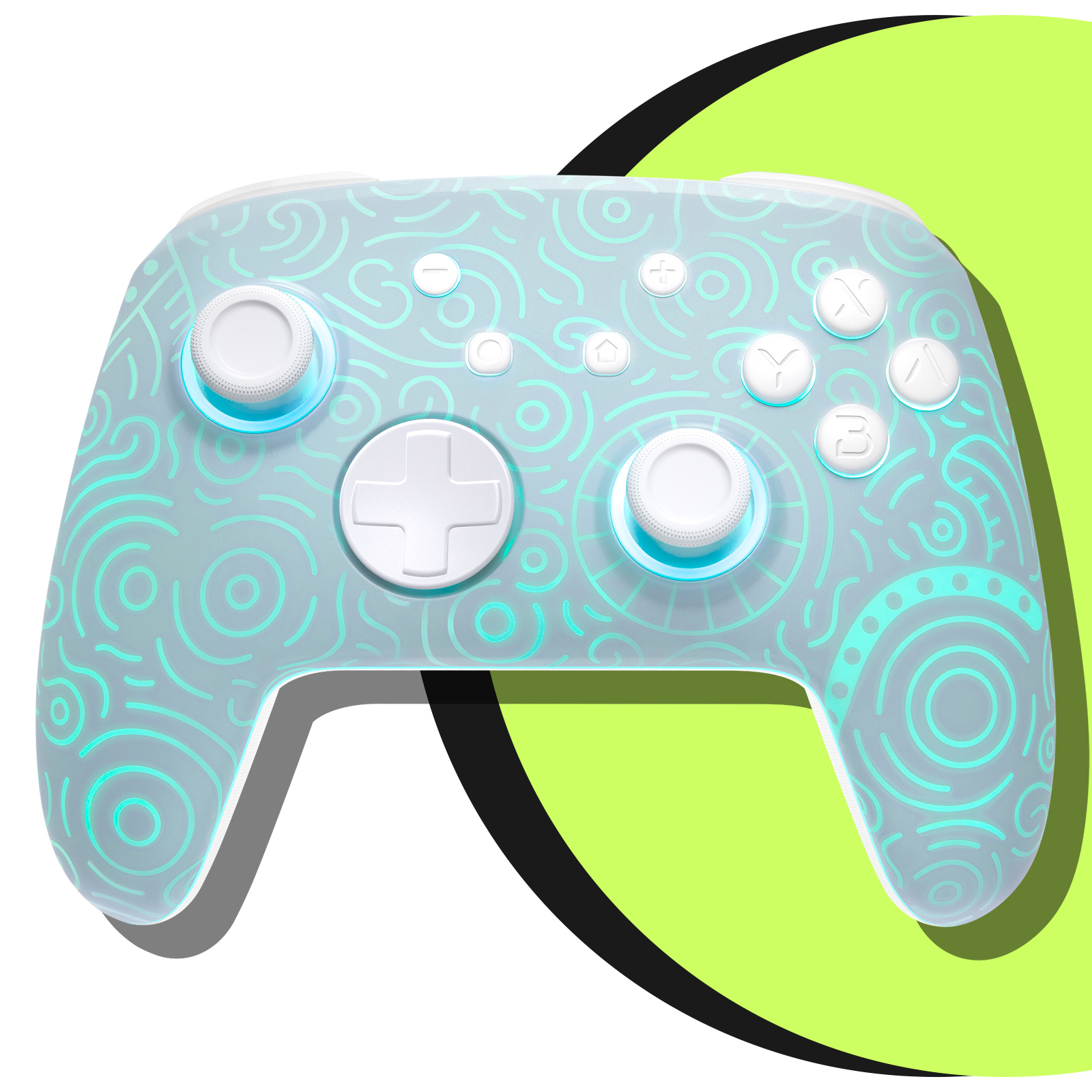
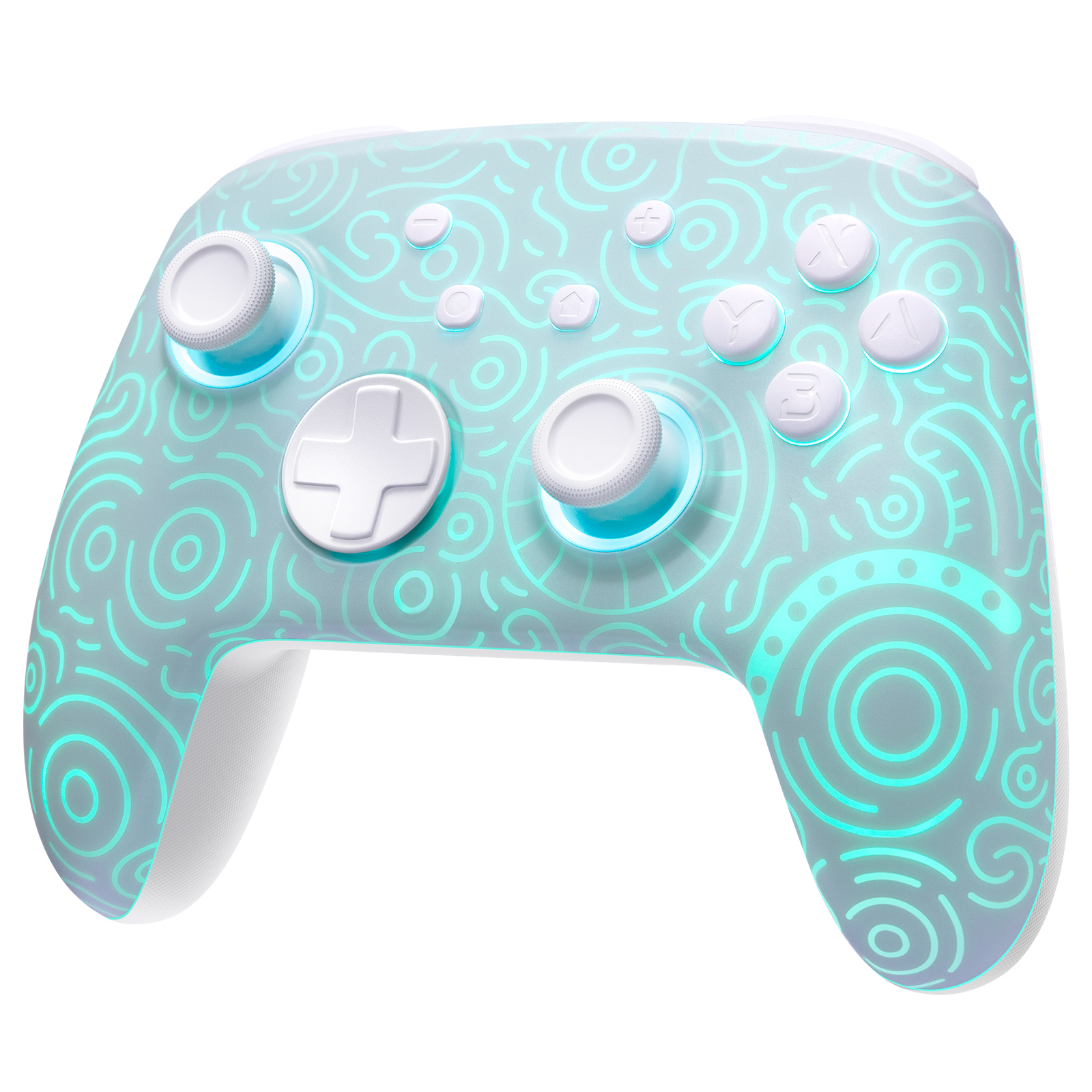
In addition, in order to keep up with the demands of Switch 2 gamers, FUNLAB is also continuing to optimize its classic products to make them compatible with Switch 2 and is actively developing the latest products that are perfectly adapted to Switch 2. Check FUNLAB's Switch 2 products through this link: https://funlabswitch.com/collections/funlab-gaming-accessories-for-nintendo-switch-2
.webp?w=1600&h=1600)