Zelda: Ocarina of Time Switch 2 Remake Confirmed: Unreal Engine 5 Graphics, June 2026 Release Date, and What It Means for Controller Players
By Funlab Staff | June 12, 2026
TL;DR: Nintendo's June 2026 Direct confirmed a full Unreal Engine 5 remake of The Legend of Zelda: Ocarina of Time exclusively for Switch 2, launching this month. The remake replaces the original's N64-era visuals with modern lighting, textures, and character models while introducing gyro-assisted aiming, a rebalanced lock-on system, and 60fps performance. For players who grew up with the 1998 original—or those experiencing Hyrule for the first time—controller choice directly impacts gameplay precision, especially in combat and puzzle-solving sections that now demand faster analog stick response and more accurate motion controls.
Table of Contents
The Ocarina of Time Remake Announcement
Nintendo officially confirmed the long-rumored The Legend of Zelda: Ocarina of Time remake during the June 2026 Nintendo Direct. The game is built from the ground up in Unreal Engine 5 and is exclusive to Nintendo Switch 2. According to the Direct, the remake launches in June 2026—the same month as the announcement—making it a surprise shadow drop rather than a future release. This is the first time Nintendo has released a mainline Zelda title as a same-day announcement since The Legend of Zelda: Link's Awakening for Game Boy in 1993.
The announcement has generated significant discussion online, with some fans expressing concerns about the visual direction. As Creative Bloq reported, the Unreal Engine 5 reimagining has drawn comparisons to fan-made projects, with some players questioning whether the new art style captures the original's atmosphere. The remake uses Epic Games' Nanite virtualized geometry system for detailed environments and Lumen for real-time global illumination, resulting in lighting that differs significantly from the original's pre-baked look.
For controller-focused accessory brands, this remake represents a critical test case: it is a beloved classic with a dedicated fanbase, but its new control schemes—particularly gyro aiming and a rebalanced Z-targeting system—demand hardware that can keep up with the game's faster combat and more precise puzzle mechanics.
Unreal Engine 5: What Changed and What Stayed
The remake retains the original's core structure: Link's journey from the Kokiri Forest to the defeat of Ganon, with the same seven dungeons, the same time-travel mechanic, and the same Ocarina songs. However, the presentation is entirely new. Character models have been rebuilt with modern polygon counts, textures are 4K-ready, and the world of Hyrule Field now features dynamic weather, volumetric fog, and distant draw distances that were impossible on the N64.
According to Nintendo's official Direct summary, the remake runs at 60 frames per second in both docked and handheld modes, a significant upgrade from the original's 20fps target. Load times are near-instant thanks to the Switch 2's custom SSD, and the game supports HDR output on compatible displays. The audio has also been remastered, with the original MIDI soundtrack replaced by a full orchestral recording performed by the Nintendo Philharmonic Orchestra.
What has not changed is the game's fundamental design philosophy. The remake is not a reimagining like Breath of the Wild; it is a faithful recreation with modern technology. This means the same dungeon layouts, the same enemy placements, and the same puzzles—but with updated mechanics that take advantage of the Switch 2's hardware. The most significant mechanical change is the new combat system, which replaces the original's lock-on-and-wait approach with a faster, more fluid system that encourages active dodging and parrying.
Why Controller Choice Matters for This Remake
The original Ocarina of Time was designed around the N64 controller's unique layout: a central analog stick, a D-pad, and six face buttons arranged in a C-button cluster. The Switch 2's Joy-Con and Pro Controller use a different button layout, which Nintendo has addressed by remapping the C-button items to the right analog stick and shoulder buttons. This works well for most players, but the remake's new combat system—which requires quick access to items like the Hookshot, Bow, and Bombs during combat—puts more strain on the controller's button responsiveness and analog stick precision.
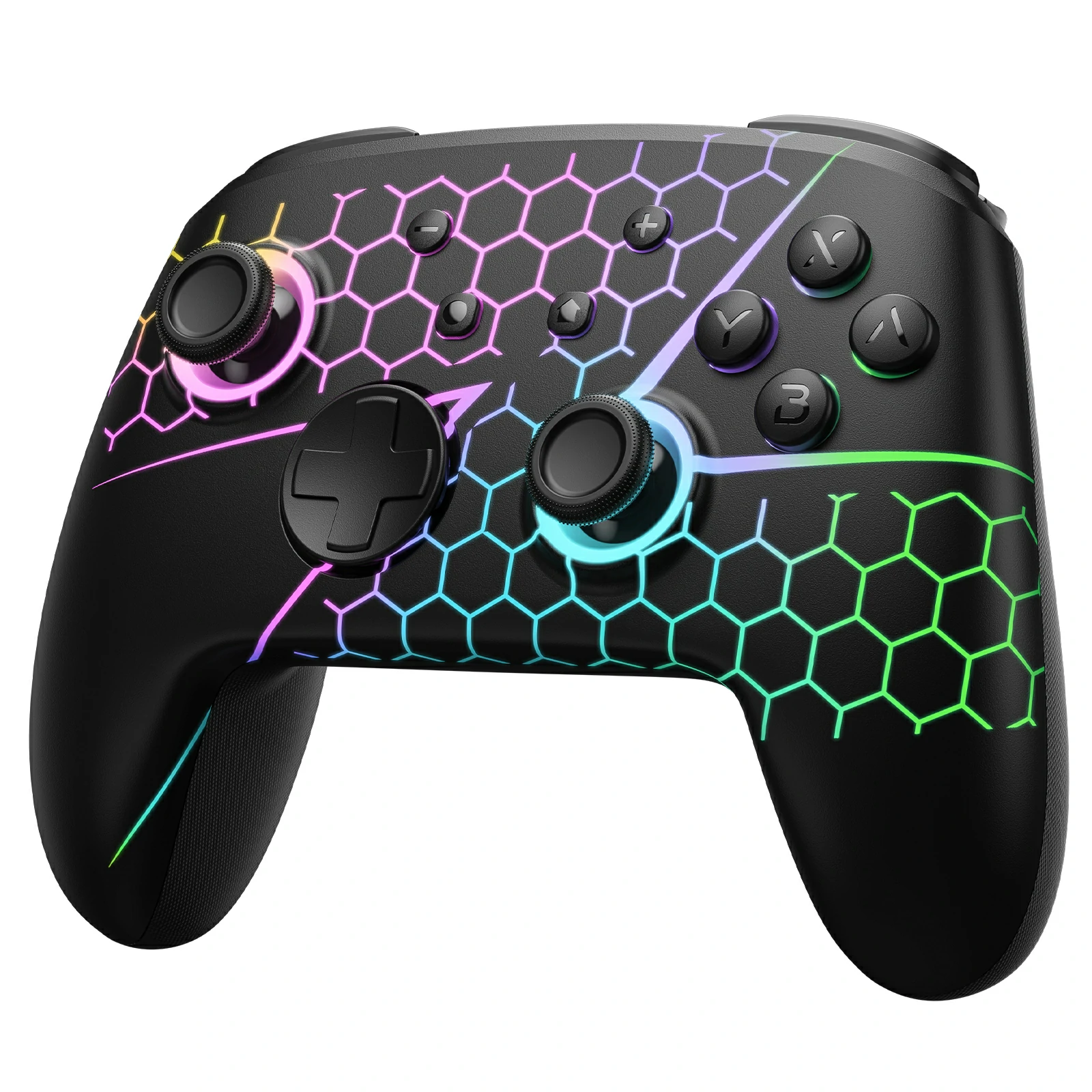
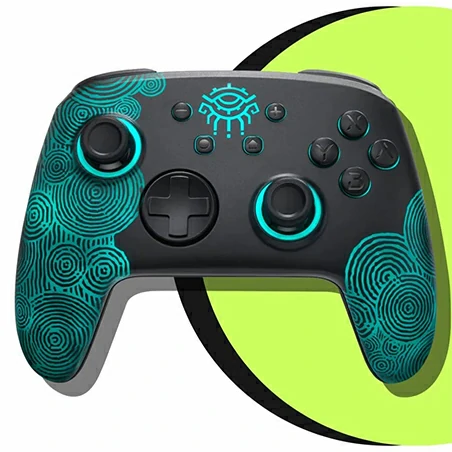
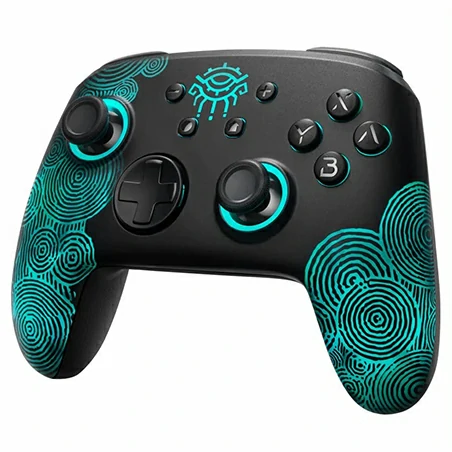
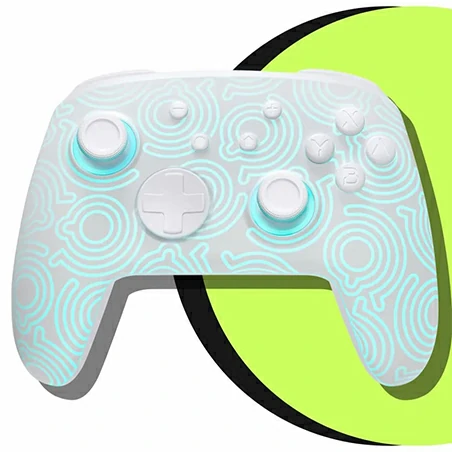
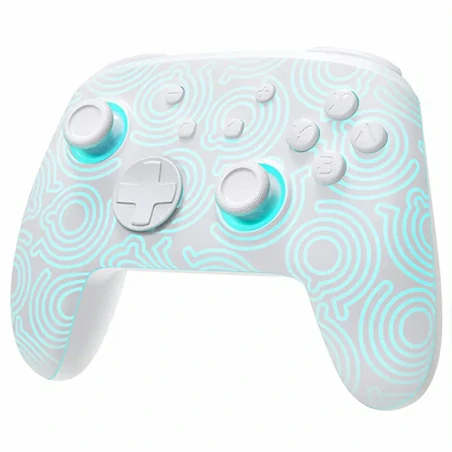
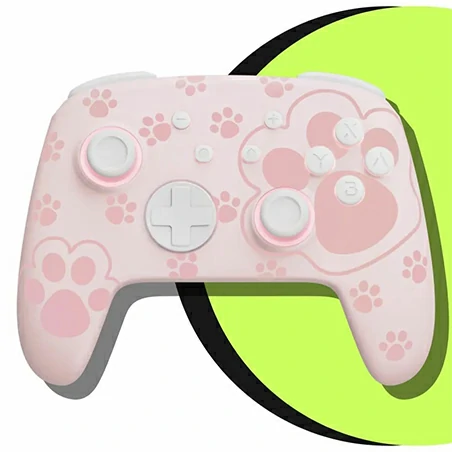
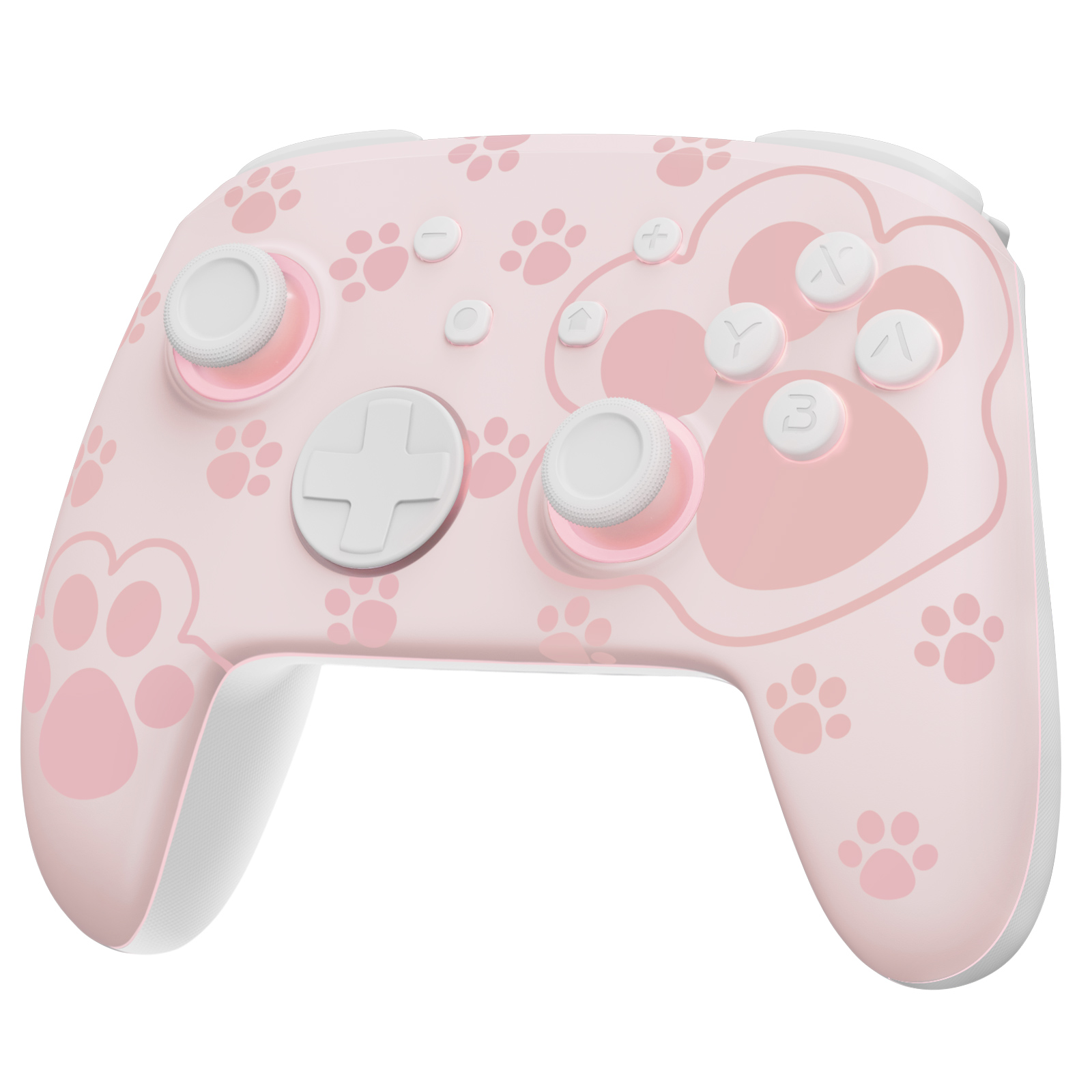
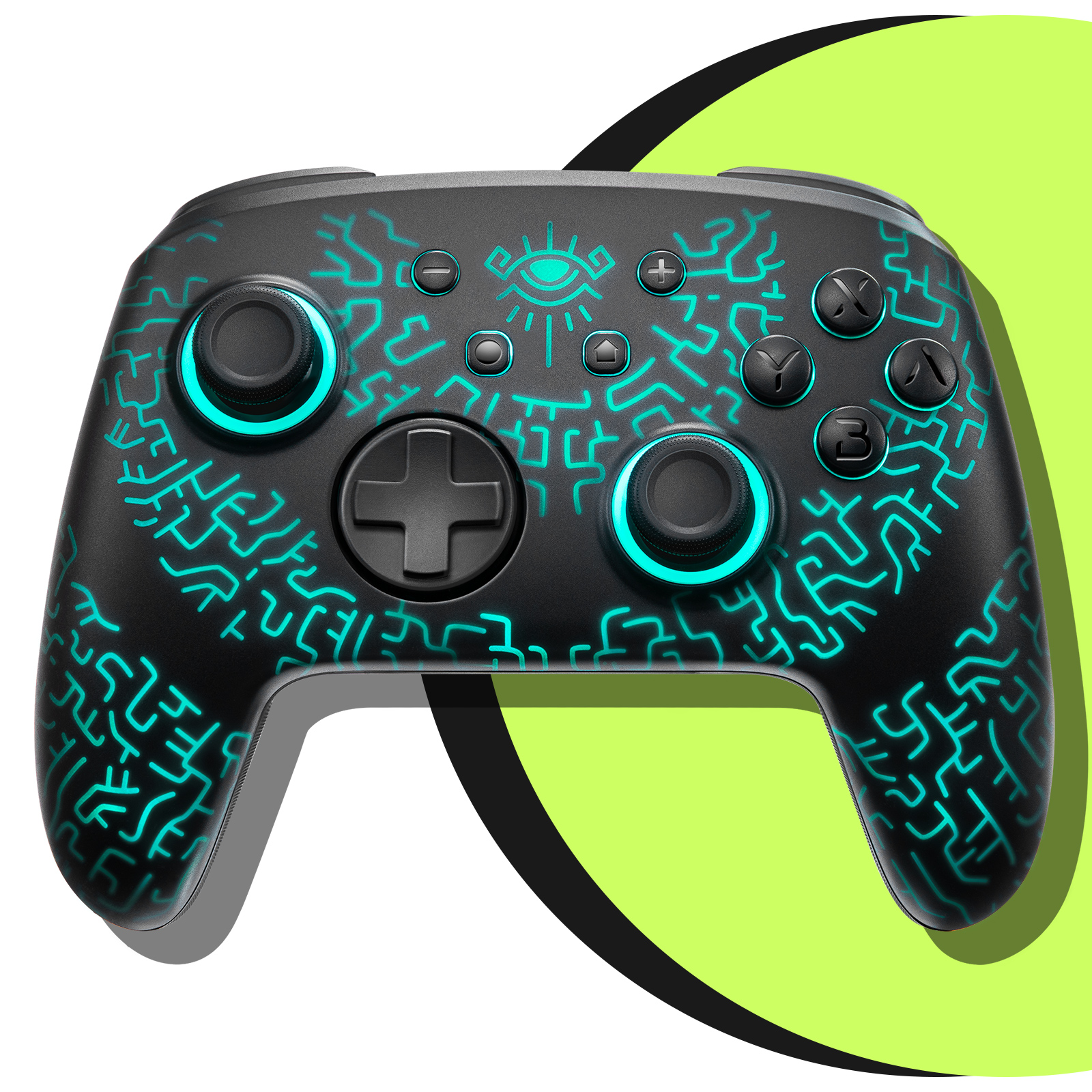
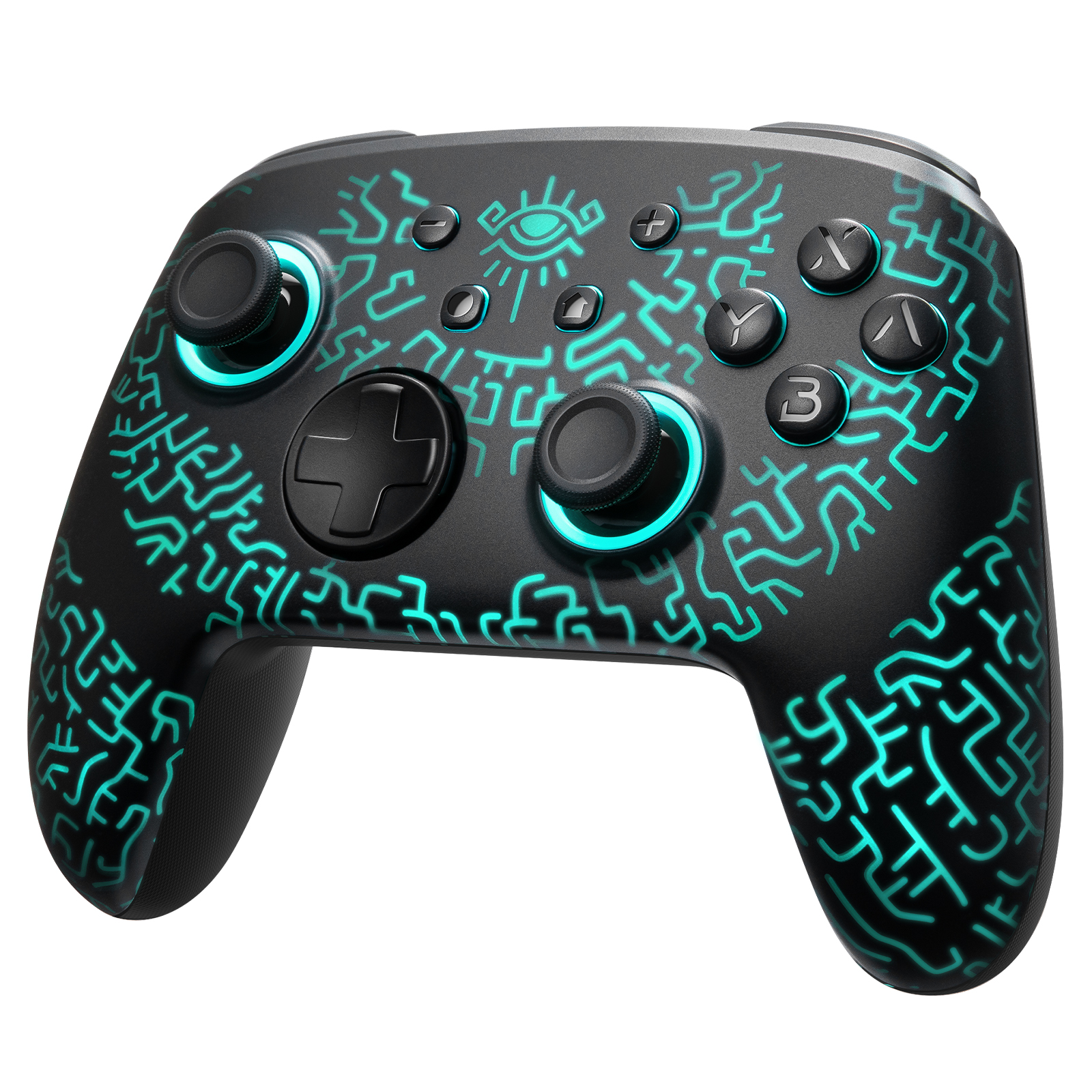
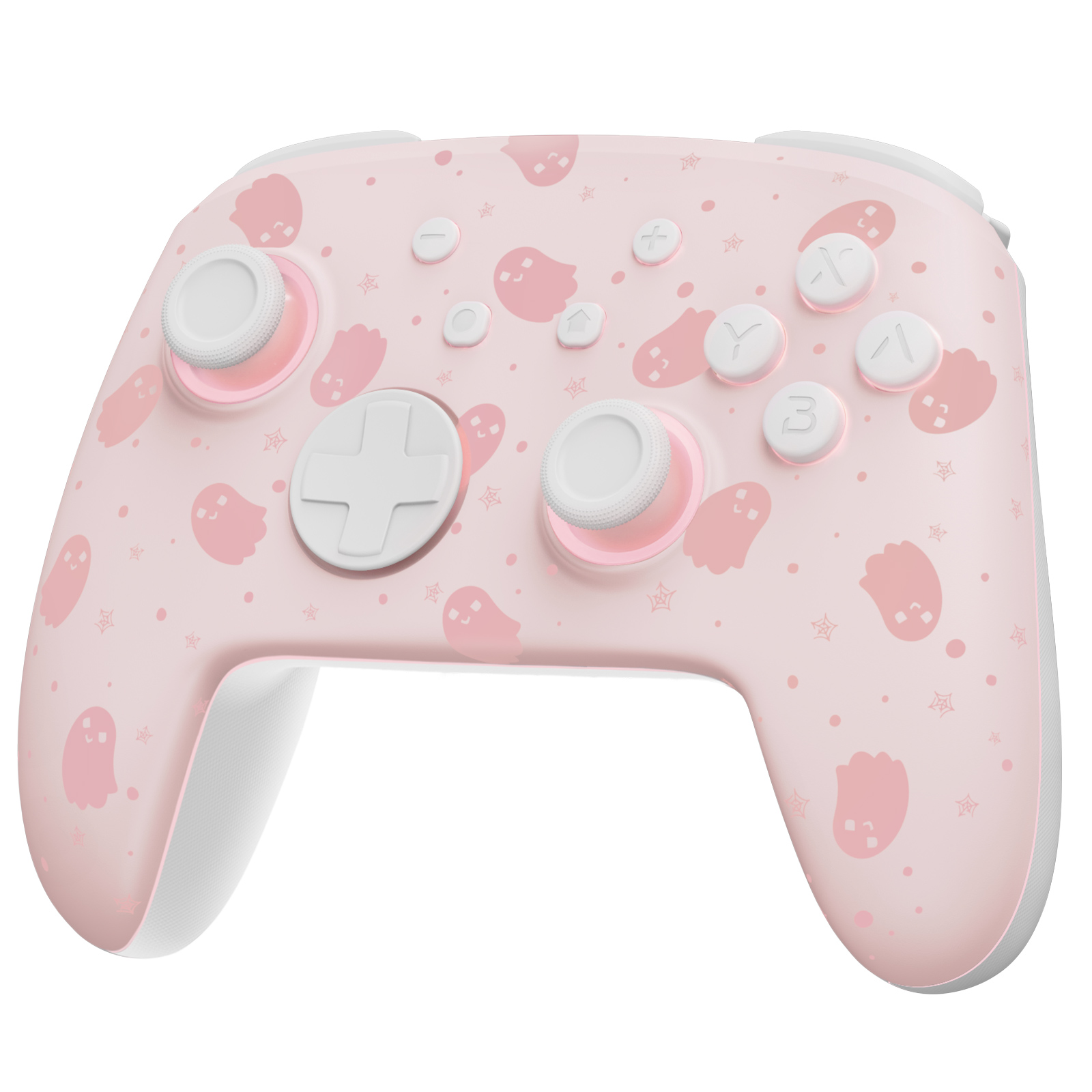
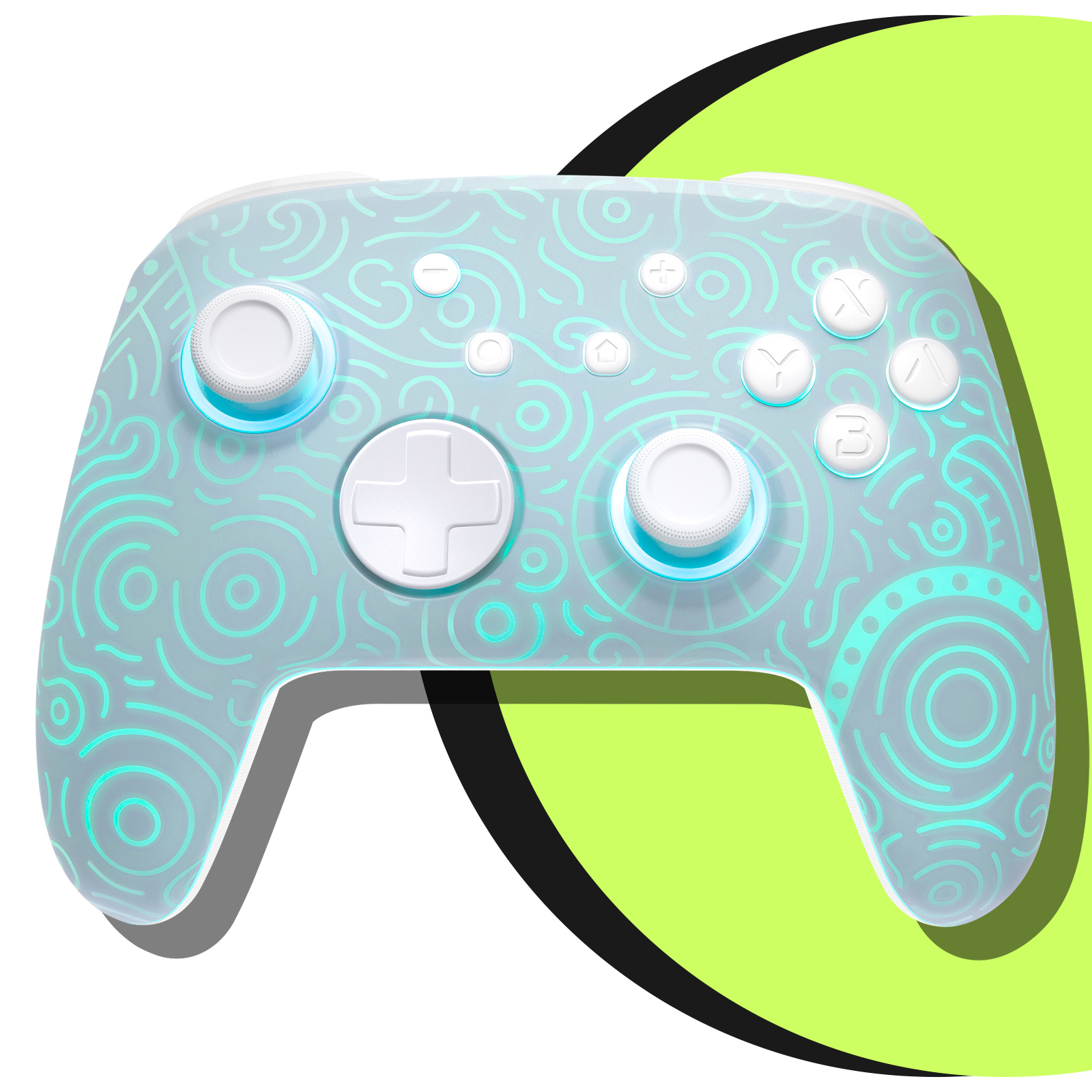
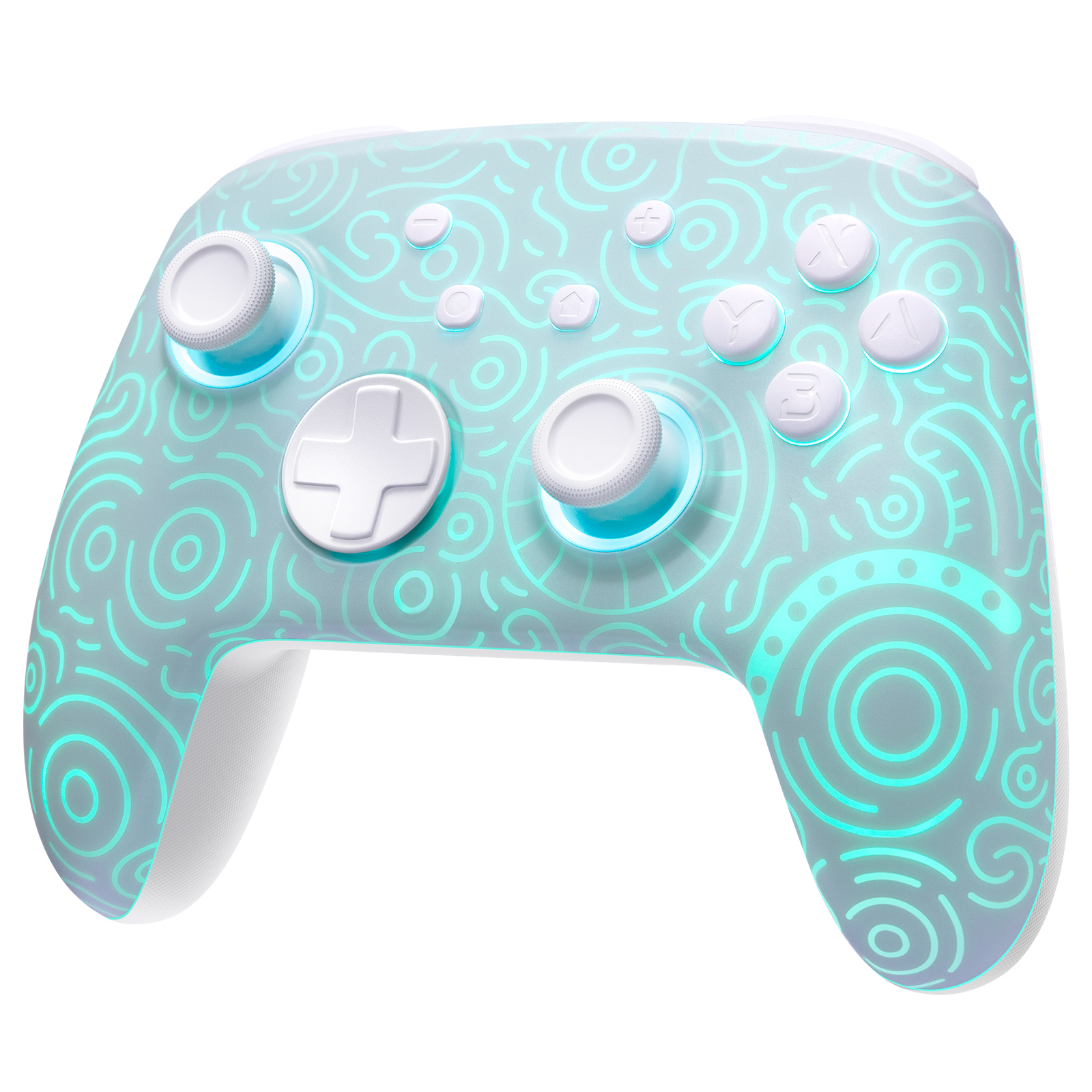
For players who find the standard Joy-Con too small for extended sessions—particularly during the Water Temple or the final Ganon fight, which can take 30–60 minutes each—a larger controller with full-size analog sticks and ergonomic grips is a practical upgrade. The FUNLAB Switch Pro Controller offers a solution with its full-size grips, textured triggers, and responsive Hall effect analog sticks that resist drift—a critical feature for a game where precise stick movements are required for aiming the Bow, navigating the Fishing Pond, or performing the "backflip" dodge move.
The remake also supports the Switch 2's new "HD Rumble 2.0" feature, which provides more nuanced haptic feedback than the original Switch's rumble. The Pro Controller's larger vibration motors deliver this feedback more effectively than the smaller motors in the Joy-Con, making actions like pulling the Master Sword from its pedestal or playing the Ocarina feel more tactile. For players who want to experience the remake's full sensory design, the Pro Controller is the recommended input device.
Gyro Aiming and the New Combat System
One of the most significant gameplay changes in the remake is the addition of gyro-assisted aiming. When using the Bow, Hookshot, or Slingshot, players can tilt the controller to fine-tune their aim, similar to the system used in Breath of the Wild and Tears of the Kingdom. This is a major improvement over the original's lock-on-and-fire system, which required players to stand still and rely on auto-aim.
However, gyro aiming is only as good as the controller's motion sensors and the player's ability to hold the controller steady. The standard Joy-Con's small form factor can make precise gyro movements difficult, especially during tense combat scenarios like the Phantom Ganon fight or the Spirit Temple's boss. A grip accessory can help stabilize the controller, improving accuracy without requiring players to switch to a Pro Controller.
The FUNLAB Joy-Con Grip addresses this by providing a larger, ergonomic frame that holds both Joy-Con securely, transforming them into a traditional controller shape. The grip's textured rubber surface reduces slippage during intense motion-control sections, and its contoured design fits naturally in adult-sized hands. For players who prefer the split-controller experience but need better stability for gyro aiming, this grip is a practical middle ground between the bare Joy-Con and a full Pro Controller.
The remake's new combat system also introduces a parry mechanic that requires precise timing. When an enemy attacks, pressing the shield button at the right moment deflects the attack and opens the enemy to a counter-strike. This mechanic demands low-latency button input and responsive analog stick movement for the follow-up attack. The standard Joy-Con's wireless latency (approximately 8-12ms in ideal conditions) is sufficient for most players, but competitive or speedrunning players may prefer a wired connection for the lowest possible latency.
Multiplayer and Co-Op Features
For the first time in the series, the Ocarina of Time remake includes a cooperative multiplayer mode. Up to two players can play through the entire game, with Player 1 controlling Link and Player 2 controlling Navi, who can now interact with the environment in new ways. Player 2 can stun enemies, activate switches, and solve puzzles independently, creating opportunities for split-path exploration that were impossible in the single-player original.
This co-op mode requires two sets of controllers, which means players need a reliable charging solution to keep both controllers powered during extended sessions. The FUNLAB Controller Charging Dock can charge up to four controllers simultaneously, making it ideal for households where multiple players share the same console. The dock uses USB-C connectors and supports the Switch 2's fast-charging protocol, topping up a depleted Pro Controller from empty to full in approximately 2.5 hours.
The co-op mode also supports local wireless play, allowing two Switch 2 consoles to connect directly for split-screen or shared-screen gameplay. This feature is particularly useful for players who want to experience the remake together without needing to share a single screen, though it does require each player to own a copy of the game and a Switch 2 console.
Frequently Asked Questions
Is the Ocarina of Time remake a full game or a demo?
It is a full game. The remake includes all seven dungeons, all 12 Ocarina songs, the entire Adult and Child Link storylines, and the complete post-game content including the Heart Piece collection and the Gold Skulltula side quests. It is not a demo or a truncated version.
Does the remake support the original Nintendo Switch?
No. The remake is exclusive to Nintendo Switch 2. It requires the Switch 2's Unreal Engine 5 compatibility, SSD storage, and improved processing power to run at 60fps with the new graphics engine.
Can I use my old Switch Pro Controller for this game?
Yes. The Switch 2 is backward-compatible with original Switch controllers, including the Pro Controller. However, the old Pro Controller does not support the Switch 2's HD Rumble 2.0 haptic feedback, so you will miss the enhanced vibration effects during key moments like the Master Sword pull.
How long is the co-op mode?
The co-op mode covers the entire main story, which takes approximately 25–35 hours for a first playthrough. The mode also includes exclusive co-op puzzles that do not appear in the single-player version, adding roughly 5–10 hours of additional content.
Does the remake include the original N64 version as an unlockable?
No. The remake replaces the original version entirely. However, Nintendo confirmed that the original N64 version remains available through the Nintendo Switch Online Expansion Pack for players who want to compare the two versions.
Sources
- Nintendo - Nintendo Direct unveils new games and updates for Nintendo Switch 2 and Nintendo Switch including The Legend of Zelda: Ocarina of Time, KINGDOM HEARTS IV, Xenoblade Genesis and more
- Creative Bloq - Switch 2 Zelda: Ocarina of Time remake has some fans regretting what they wished for
- Polygon - The surprising reason Nintendo's new Switch 2 Joy-Con colors are a disappointment
.webp?w=1600&h=1600)